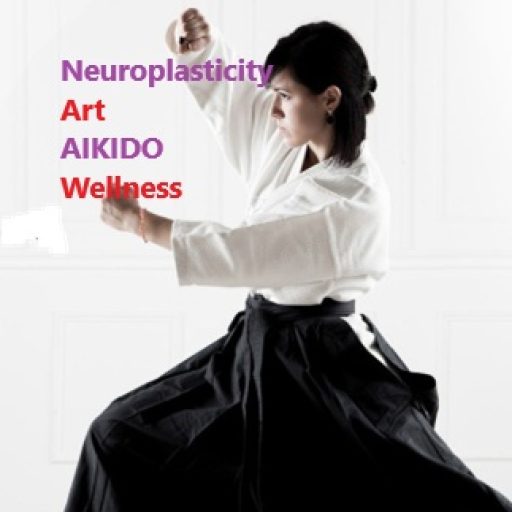
NEUROPLASTICITY. SCATTERBRAIN. STRETCHING. THEN, AIKIDO – A JAPANESE MARTIAL ART – IS A CHOICE THAT ANY SPORT SHOULD ADOPT- AT LEAST “JUST BODY WARM‑UP EXERCISE.”
Neuroplasticity is the brain’s remarkable ability to reorganize itself by forming new neural connections and pathways
throughout life, allowing it to adapt, learn new skills, recover from injury, and change in response to experiences and
environmental demands, rather than being a fixed organ. It involves both functional changes [how neurons communicate] and structural changes [physical growth of connections], and is crucial for development, learning, memory, and rehabilitation after
brain damage like strokes.
NEUROPLASTICITY ART AIKIDO PORTFOLIO- IS ADVISED TO ADOPT INTO ANY SPORT!
# Neuroplasticity- one of its benefits: makes New Neural Connections- to help Learn-Adapt-Recovery!
# Neuroplasticity is ignited by Intense Exercise or Stretching → AIKIDO, a Japanese martial art, is the obvious choice. A DRIVING factor of the brain for holistic wellness and health recovery.
# ANY Sports should adopt Neuroplasticity/AIKIDO → more bright, creative, and health‑enriching! At least, “Just Body Warm‑Up Exercise.”
As a Chemical and Pharmaceutical Engineer and also the founder and CTO of a phenomenal health clinic, EDGE Wellness Clinic Save‑a‑DRUG LLC, http://www.EDGEWellnessClinic.com a BLOG‑based consultation to Wellness Insights and Strategic Reflections, this program eventually came to life through the coining of terminology and medical issues: Neuroplasticity, Scatterbrain, Stretching, and then AIKIDO, a Japanese martial art which I once practiced and now advocate to incorporate, or at least use as a “Body Warm‑up Exercise,” for ANY sport!
Our Core Mission
Today, Western practitioners adopt holistic principles, creating an integrated approach that combines Eastern wisdom with Western science to offer comprehensive, personalized care that addresses the whole person [body, mind, and spirit], not just isolated symptoms.
Our clinic: is very unique, as pointing out neuroplasticity- a functional characteristic of the brain – is the driving factor.
Our sport for demo/choice: the Japanese martial art AIKIDO, with strengths and focus on those three elements.
Our job: will be to advise/consult other sports to incorporate this factor or this kind of exercise into their daily practice/playing.
Winston Vo
Engineer/Program Administrator

Theory and practice of these incorporated Neuroplasticity SPORTING Arts – the AIKIDO.
Neuroplasticity Art AIKIDO Portfolio LLC
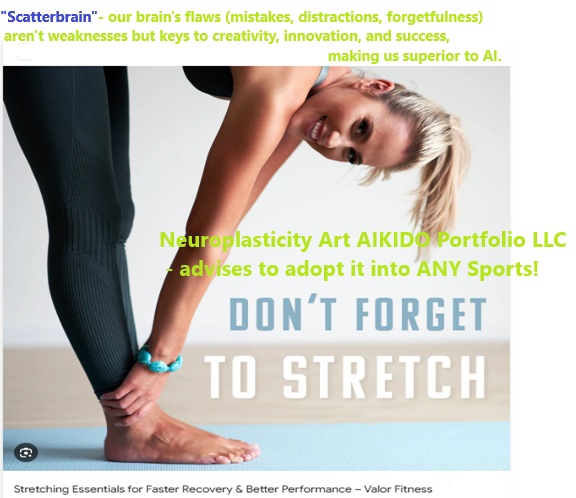
+ “Scatterbrain”- our brain’s flaws (mistakes, distractions, forgetfulness) aren’t weaknesses but keys to creativity, innovation, and
success, making us superior to AI. Authored in 2019 by Dr. Henning Beck, a German neuroscientist.
+ AIKIDO, a Japanese martial art- with strengths or focus on mind, body, and spirit. These three elements are approached by the Holistic
Treatment Methodology. Any SPORTS should adopt- at least, “Just body warm-up exercise”.
Neuroplasticity- a
functional characteristic
of the brain – is the driving
factor and is unique to
Our Clinic’s Core Values.
Neuroplasticity is the brain’s remarkable ability to reorganize itself by forming new neural connections and pathways throughout life, allowing it to adapt, learn new skills, recover from injury, and change in response to experiences and environmental demands, rather than being a fixed organ. It involves both functional changes (how neurons communicate) and structural changes (physical growth of connections), and is crucial for development, learning, memory,
and rehabilitation after brain damage like strokes.
Scatterbrain, which is authored in 2019 by Dr. Henning Beck, a German Neuroscientist argues that our brain’s flaws (mistakes, distractions, forgetfulness) aren’t weaknesses but keys to creativity, innovation, and success, making us superior to AI; it’s a book for people interested in neuroscience, self-improvement, and embracing imperfection to boost thinking,
decision-making, and productivity, with themes like boredom sparking ideas,
distractions fostering creativity, and memory’s flexibility.
Key Aspects of Neuroplasticity
– Adaptation & Learning: It’s how you learn to drive a car, play an instrument, or remember a
phone number.
– Injury Recovery: Healthy brain areas can take over functions from damaged areas, forming the basis for physical and cognitive rehab.
– Structural Changes: Repeated experiences strengthen synaptic connections (synaptic
potentiation) or weaken them (synaptic depression), altering brain architecture.
– Functional Reorganization: Parts of the brain can be repurposed; for example, the auditory cortex might process touch in deaf individuals.
– Internal Rewiring: It’s an ongoing “rewiring” process that allows the brain to meet new
challenges and develop new abilities. How to Support Neuroplasticity
– Mental Exercise: Learning new things, puzzles, and engaging in mentally stimulating activities.
– Physical Activity: Regular exercise supports brain health.
– Healthy Lifestyle: Good sleep, stress management, and a balanced diet.
– Social Engagement: Maintaining social connections.
Neuroplasticity,
Stretching, and Brain
health
STRETCHING and BRAIN HEALTH are deeply correlated through the nervous and respiratory systems. In 2026, research continues to emphasize how physical flexibility directly influences neurological stability and cognitive function.
1. Nervous System Regulation (Vagal Tone)
– Parasympathetic Activation: Stretching is a primary trigger for the parasympathetic nervous
system (PSNS), shifting the body from “fight-or-flight” to
“rest-and-digest”.
– Vagus Nerve Stimulation: Techniques that combine
stretching with deep, abdominal breathing stimulate the vagus nerve, signaling the brain that the body is safe and allowing for deep restoration.
– Nerve Desensitization: Consistent, gentle stretching
helps the central nervous system “downregulate” protective guard reflexes. This allows the brain to perceive a wider range of motion as safe, which reduces chronic tightness and physical anxiety.
2. Breath and Brainwave Coordination
– Respiratory-Neural Coupling: 2026 findings highlight “dynamic attunement,” where rhythmic breathing during stretching synchronizes neural oscillations in the prefrontal cortex.
– Brainwave Shifts: Focused stretching and breathing
promote alpha and theta waves, which are associated with states of deep relaxation, creative learning, and reduced “neural noise”.
– Neuroplasticity: Regular practice creates a physiological environment conducive to neuroplasticity, potentially increasing gray matter volume in regions responsible for executive function and memory.
3. Chemical and Overall Health Accomplishments
– Mood-Boosting Hormones: Stretching triggers the release of serotonin and endorphins, which stabilize mood and act as natural pain relievers.
– Cortisol Reduction: Mindful stretching significantly lowers cortisol (the stress hormone) levels, which protects the brain from the long-term neurotoxic effects of chronic stress.
– Cerebral Circulation: By increasing systemic blood flow and lowering blood pressure,
stretching improves the delivery of oxygen and nutrients to the brain, enhancing mental clarity and focus.
– Circadian Rhythm Support: As of 2026, daily “resets” that include stretching are recommended to align circadian rhythms, which can reduce dementia risk by as much as 45%.
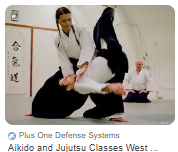
Stretching and AIKIDO, a
Japanese martial art.
AIKIDO naturally enhances
neuroplasticity by integrating complex physical movements with mindful, non-competitive mental engagement. To
incorporate this intentionally, focus on challenging your brain to learn new patterns, stay present, and adapt fluidly to different scenarios.
Core Principles of Neuroplasticity in AIKIDO
– Mind-Body Connection: The practice demands active attention to what you are
doing in each moment, forging stronger neural pathways between the brain and body.
– Novelty and Complexity: Learning new techniques and variations continually challenges the brain, fostering fresh neural
connections.
– Mindfulness and Calm: Aikido emphasizes staying calm and centered under pressure, which helps regulate the nervous system and build mental resilience.
– Repetition with Attention: Sufficient repetition is necessary for plasticity, but it must be paired with focused attention, not mindless
movement.
– Social Interaction: Training with various partners requires constant adaptation and
problem-solving, enhancing social awareness and empathy.
Specific Incorporation Strategies/Characters
(AIKIDO)
– Learn New Techniques and Variations: Instead of always practicing your favorites,
actively work on techniques you find challenging or unfamiliar. Aikido has hundreds of basic techniques with countless variations, providing a lifelong source of novelty.
– Switch Roles (Uke/Nage): Regularly alternate between being uke (the one receiving the
technique/attacking) and nage (the one applying the technique). This requires you to
adapt your movements and perspective, boosting adaptability.
– Practice with Different Partners: Each partner has a unique speed, strength, and timing. Training with a variety of people forces you to constantly adjust your application of
techniques, a key driver of neuroplasticity.
– Focus on Non-Dominant Side: Dedicate time to practicing movements and techniques using your non-dominant hand and foot. This directly builds new neural pathways.
– Incorporate “Moving Meditation”: During solo movements like tenkan (turning movement)
or basic stances, focus intensely on your breath and alignment to quiet your mind and reach a “theta state” of mind, which is
associated with enhanced learning and creativity.
– Visualize Techniques and Principles: Use visualization exercises, both on and off the
mat. Visualize successful execution of complex moves or the embodiment of principles like “peace” and “compassion” to align your inner and outer reality and build a healthier brain.
– Apply Principles to Daily Life: Actively look for ways to use Aikido principles (blending,
centering, non-resistance, calm response to conflict) in everyday situations. This cross application reinforces the learning and makes the cognitive benefits more widespread.
– Prioritize Safe Falling (Ukemi): Continuously practice safe falling. The physical challenge
and the process of safely regaining equilibrium help develop physical and mental
resilience and a growth mindset towards challenges.
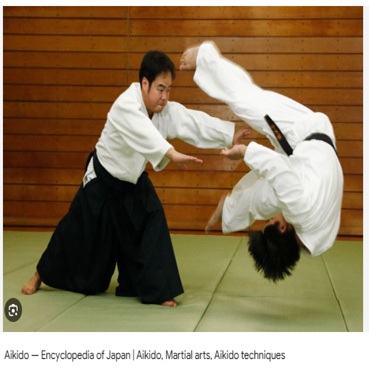
AIKIDO League in the United States & Journal
The United States Aikido Federation (USAF)
incorporated: http://www.usaikifed.com
Official AIKIDO’s journal: http://www.aikidojournal.com
The United States Aikido Federation (USAF) is the oldest aikido organization in the United States. It was established by Yoshimitsu Yamada, Akira Tohei, Mitsunari Kanai and Kazuo Chiba, all direct personal students of Morihei Ueshiba, the founder of aikido. Through their teachings, the USAF expanded throughout the country and across the globe.


We will present some of our typical cases here as a Demo for our service- very unique and pioneering. (Under Construction!)

EXPLORE OUR BLOG- THE JOURNEY OF A NEW IMPLEMENTATION
–Today, Western practitioners adopt holistic principles, creating an integrated approach that combines Eastern wisdom with Western science to offer comprehensive, personalized care that addresses the whole person (body, mind, and spirit), not just isolated symptoms.


We hope you obtain the key issues of this presentation/training. We are looking forward to incorporating them into the daily practice of your sport. We work for ANY SPORT.
Engineer & Program Administrator
+ B.E. in Chemical Engineering & Applied Mathematics (cum laude, ranked 98/303) at Vanderbilt U, 1998
+ MS in Applied Physics at Johns Hopkins U (in progress)
*** Formerly, engineer at Honeywell Inc. – Control Systems Consulting Business & on-site with Phillips 66 Petroleum Refinery at the Borger plant in northern Texas (1999) ***
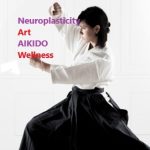
Driving toward a brighter, creative, and health-recovery: at least, “Just Body Warm‑Up Exercise” for ANY Sport!
Our Visitor
 Users Today : 1
 Users Yesterday : 0
 Users Last 7 days : 1
 Users Last 30 days : 1
 Users This Year : 1
 Total Users : 2
 Who's Online : 0 Server Time : 02/03/2026 9:12 am